


Steel A2 PV Cross Angle Bracket 44.5×40 mm – 90° Profile Connector
Leave feedback on the product

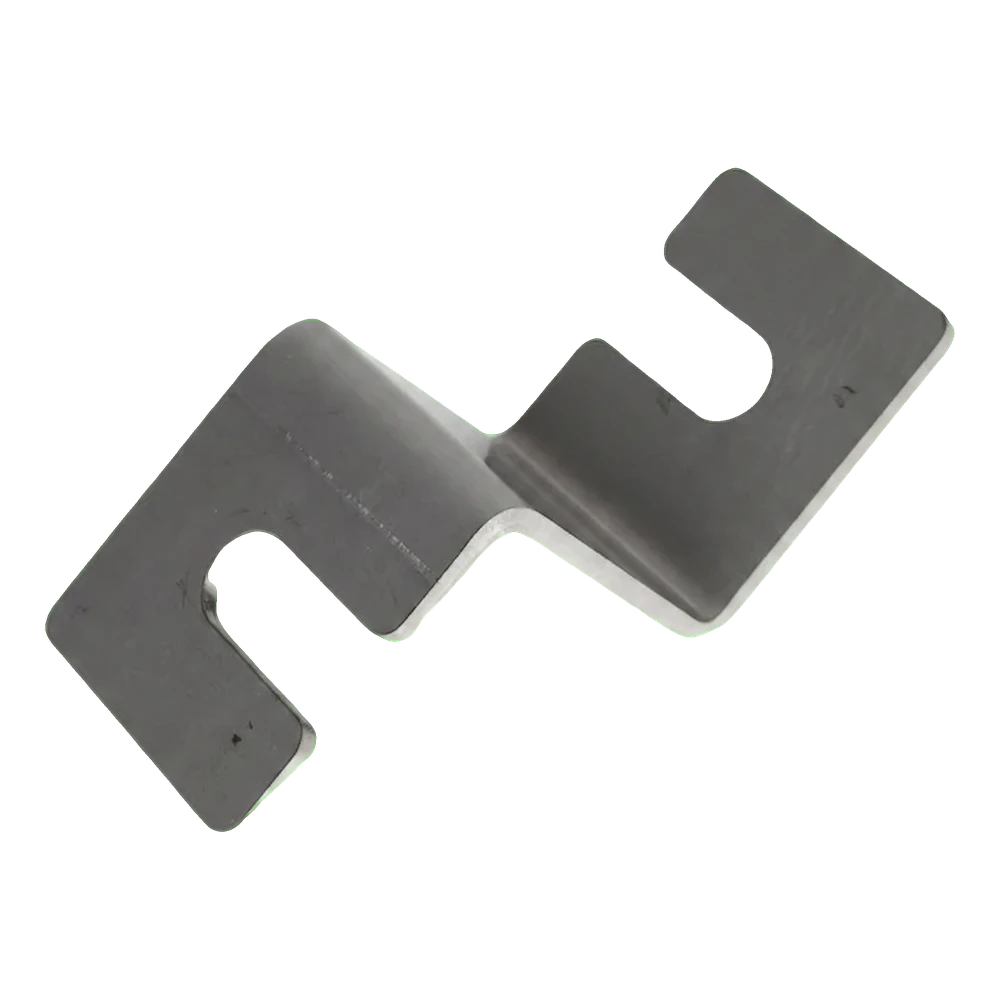
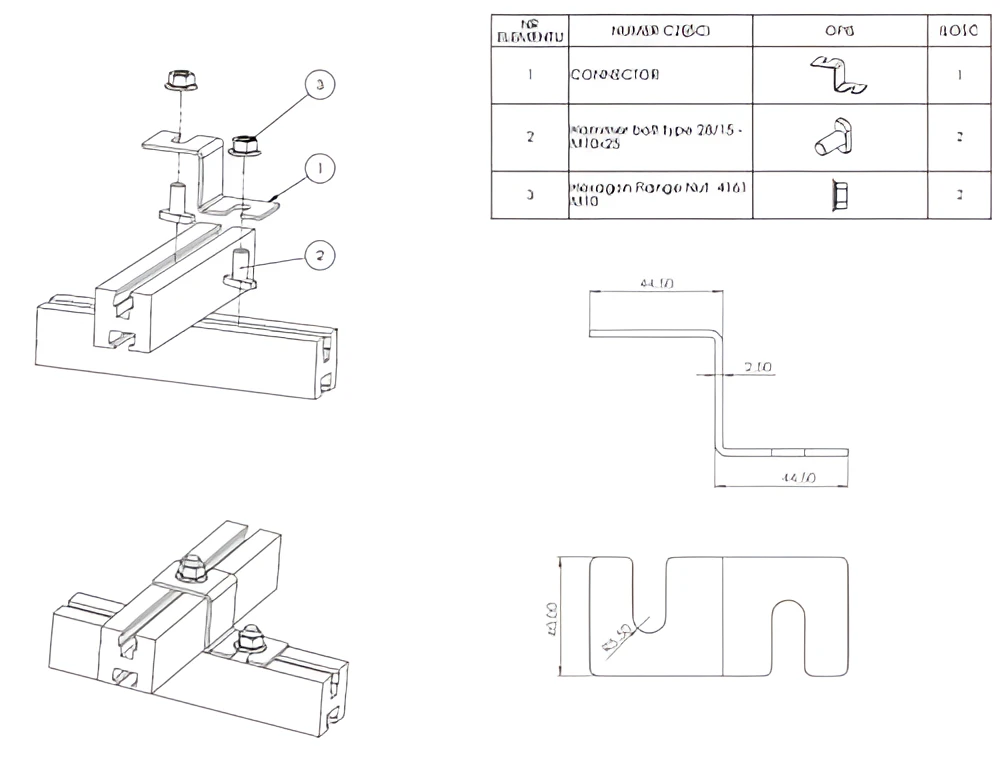
Stainless steel A2 (304) PV cross angle bracket for connecting mounting profiles at a 90° angle. Dimensions 44.5 × 40 mm, thickness 2.5 mm. Sold without bolts and nuts. For photovoltaic mounting substructure systems.
Choose a variant:
Individual variants may differ in price
Packaging options
Product code:
Description
Steel A2 PV Cross Angle Bracket 44.5×40 mm – 90° Profile Connector

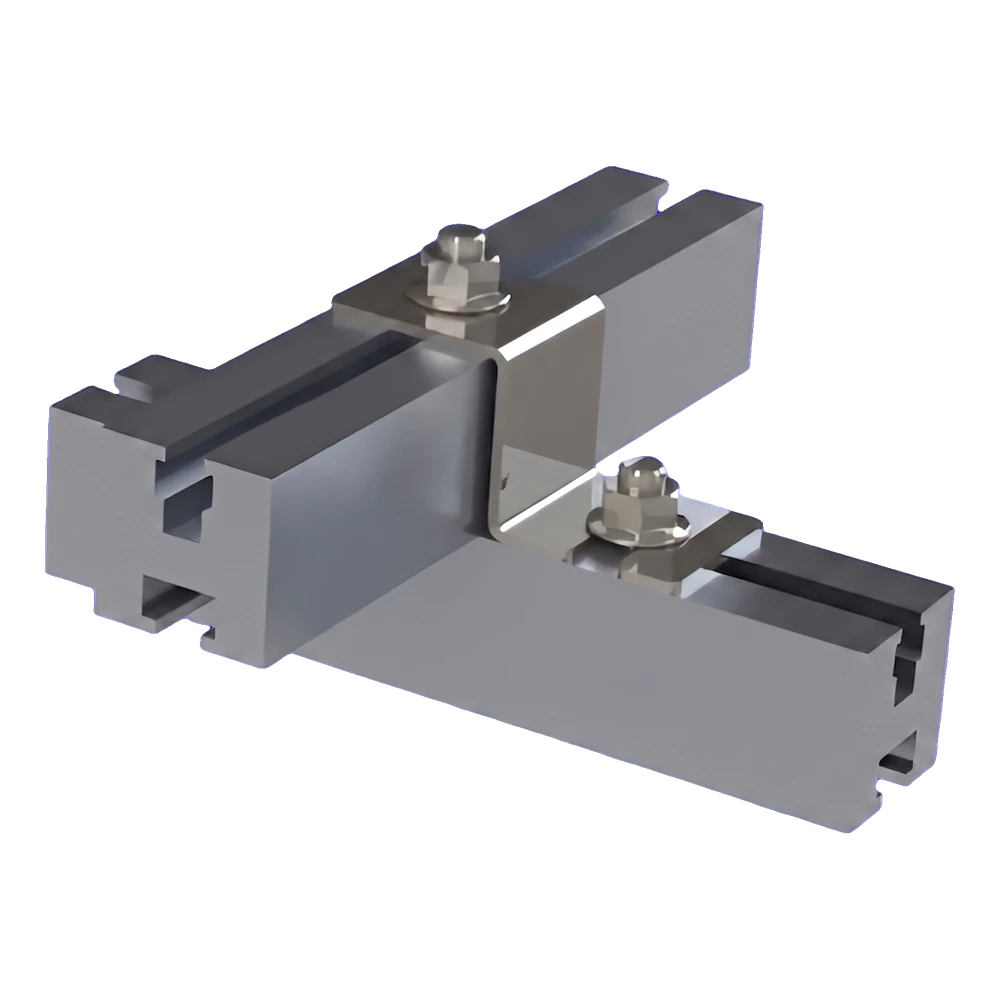
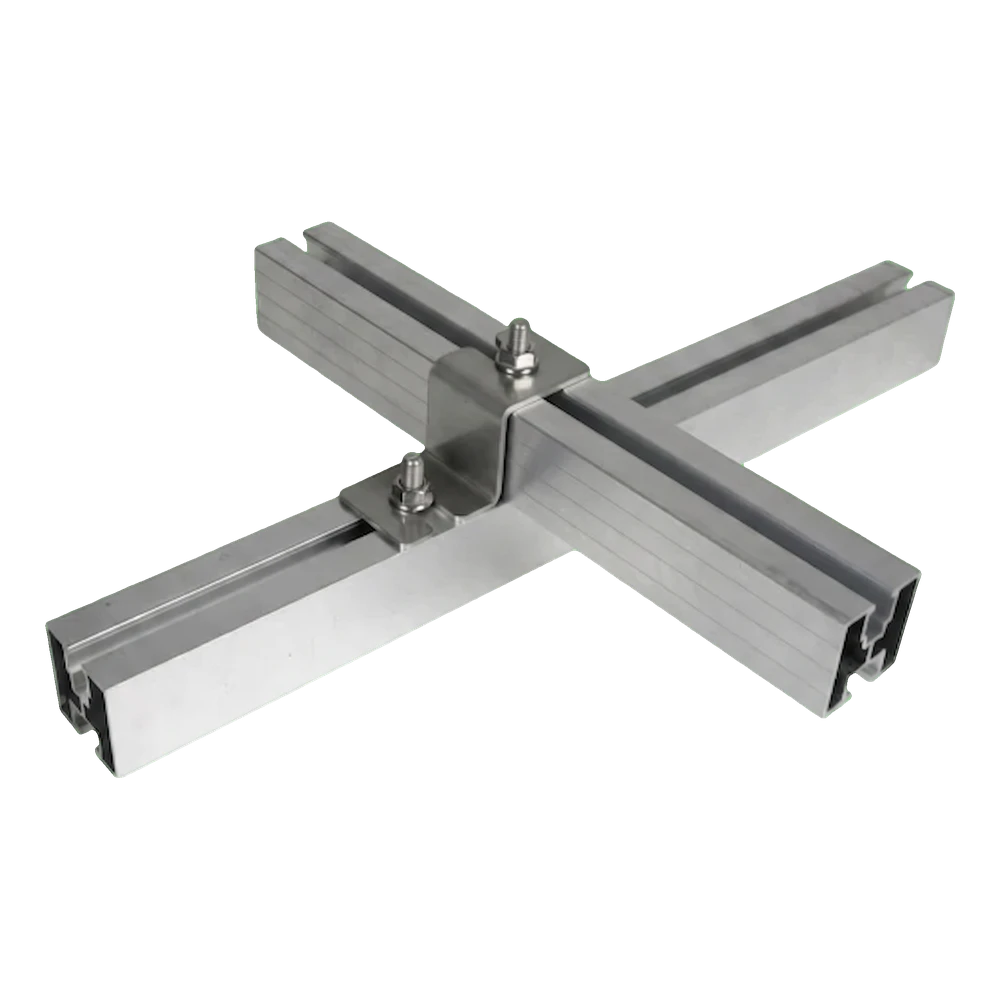
The cross angle bracket made of stainless steel A2 (304) is designed for permanently connecting mounting profiles at a 90° angle in photovoltaic systems. With dimensions of 44.5 × 40 mm and a thickness of 2.5 mm, this component provides a stable, corrosion-resistant cross connection between two profiles — without the need for drilling additional holes. Grade 304 steel guarantees resistance to most oxidising acids and long-lasting corrosion protection, which is essential for outdoor installations exposed to changing weather conditions. The bracket is sold without bolts and nuts, allowing the installation team to select the fastening components appropriate for the specific profile type and project requirements.
Benefits for the installation team
- Quick connection of profiles at a 90° angle without additional drilling
- Stainless steel A2 (304) — high resistance to corrosion and weather conditions
- Compact dimensions of 44.5 × 40 mm allow use in tight spaces within the structure
- Sold without bolts and nuts — free choice of the appropriate mounting hardware
- Universal application in photovoltaic mounting substructure systems

The bracket's design is engineered to work with 28/15 M10×25 hammer-head bolts and M10 flange nuts (fasteners not included in the set). The characteristic shape with two recesses ensures a secure fit on the profiles and stable load transfer at the structural joints. Thanks to the use of A2 stainless steel, the bracket retains its full strength and aesthetic appearance throughout the entire service life of the installation, even in environments with elevated humidity or salinity.

The finished cross connection provides joint rigidity and even distribution of forces in both directions. The bracket works well in both roof-mounted and ground-mounted structures, wherever mounting profiles need to cross at a right angle. Precise bending and dimensional repeatability make planning easier and speed up serial installation on large photovoltaic systems.

Reviews
If you've added a review and it doesn't appear on the list, it may be pending moderation.
Leave feedback on the product
Related products
-
Price €0.07Price €0.06without VAT
-
Price €0.24Price €0.19without VAT


